Mold isn’t always obvious, which is why knowing the warning signs is key to acting fast before the problem worsens. Here’s what to look for:
If you notice any of these signs, don’t wait. Call our mold removal company for prompt mold remediation before the issue spreads further.
Read More
Our Mold Inspection & Testing Process
Before we start any mold removal service, our experts conduct a thorough inspection and testing process to determine the extent of the problem. We use infrared imaging, moisture meters, and air sampling to detect mold, even when it’s invisible to the naked eye. This helps us identify the exact type of mold present and understand how far it has spread throughout your property.
Once we have a clear picture, we’ll walk you through our findings, show you the affected areas, and outline a detailed mold remediation plan tailored to your home. Transparency is key! We’ll explain each step of the process, discuss your options, and provide a written estimate upfront so you know exactly what to expect.
Our Mold Removal Process
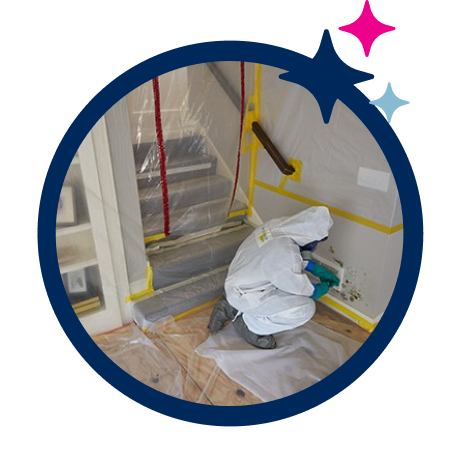
Our mold removal service focuses on safe, thorough, and lasting results. We start by isolating affected areas to prevent spores from spreading to other parts of your home. Using HEPA filtration systems and professional-grade cleaning solutions, we remove mold colonies and contaminated materials with care and precision.
We go one step further with mold remediation to treat the underlying cause of the problem: moisture. Our technicians identify the source of excess humidity or leaks, address it, and apply preventative treatments to keep mold from returning. Once the cleanup is complete, we perform a final inspection and air quality test to confirm that your home is safe and mold-free.
Difference Between Mold Removal vs. Mold Remediation
While the terms mold removal and mold remediation are often used interchangeably, there’s an important distinction between the two. Mold removal focuses on physically eliminating visible mold growth from affected surfaces. It’s the process of cleaning and restoring what you can see, but mold spores are microscopic and can linger in the air or hidden areas if not properly addressed.
Mold remediation, on the other hand, takes a more comprehensive approach. It includes identifying the source of moisture, containing the affected area, cleaning contaminated materials, and taking steps to prevent future mold growth. As a trusted mold removal company, we specialize in both removing existing colonies and remediating the root cause to restore your property to a clean, safe state long-term.
Tips to Prevent Mold From Returning
Once we’ve completed your mold restoration, it’s important to take preventive measures to stop mold from coming back. A few simple habits can make a big difference.
- Control Humidity Levels: Keep indoor humidity below 50%. Use dehumidifiers or run your air conditioner regularly to reduce moisture buildup in the air.
- Fix Leaks Right Away: Even small leaks under sinks or behind appliances can lead to mold growth if left untreated. Check plumbing, roofs, and windows regularly for hidden moisture.
- Improve Ventilation: Use exhaust fans in bathrooms and kitchens, and open windows when possible. Proper airflow helps dry out damp areas before mold has a chance to grow.
- Clean and Dry Wet Areas Promptly: After spills, storms, or leaks, dry the area thoroughly within 24 to 48 hours. Mold thrives on moisture, so removing it quickly cuts off its food source.
- Monitor Problem Areas: Pay extra attention to basements, crawl spaces, and attics, as they tend to hold moisture. Regular inspections can help you catch problems early.
Taking these steps helps maintain the long-term success of your mold remediation and protects the health of your family and home.