The First 24 Hours Determine How Bad the Damage Gets
A burst pipe doesn’t wait for a convenient time. It happens at 2 a.m., while you’re at work, or the day before you leave for vacation — and the difference between a manageable repair and a five-figure restoration job usually comes down to what happens in the first few hours. Water spreads fast, soaks into drywall and subflooring within minutes, and creates the exact warm, damp conditions mold needs to start growing in as little as 24 to 48 hours.
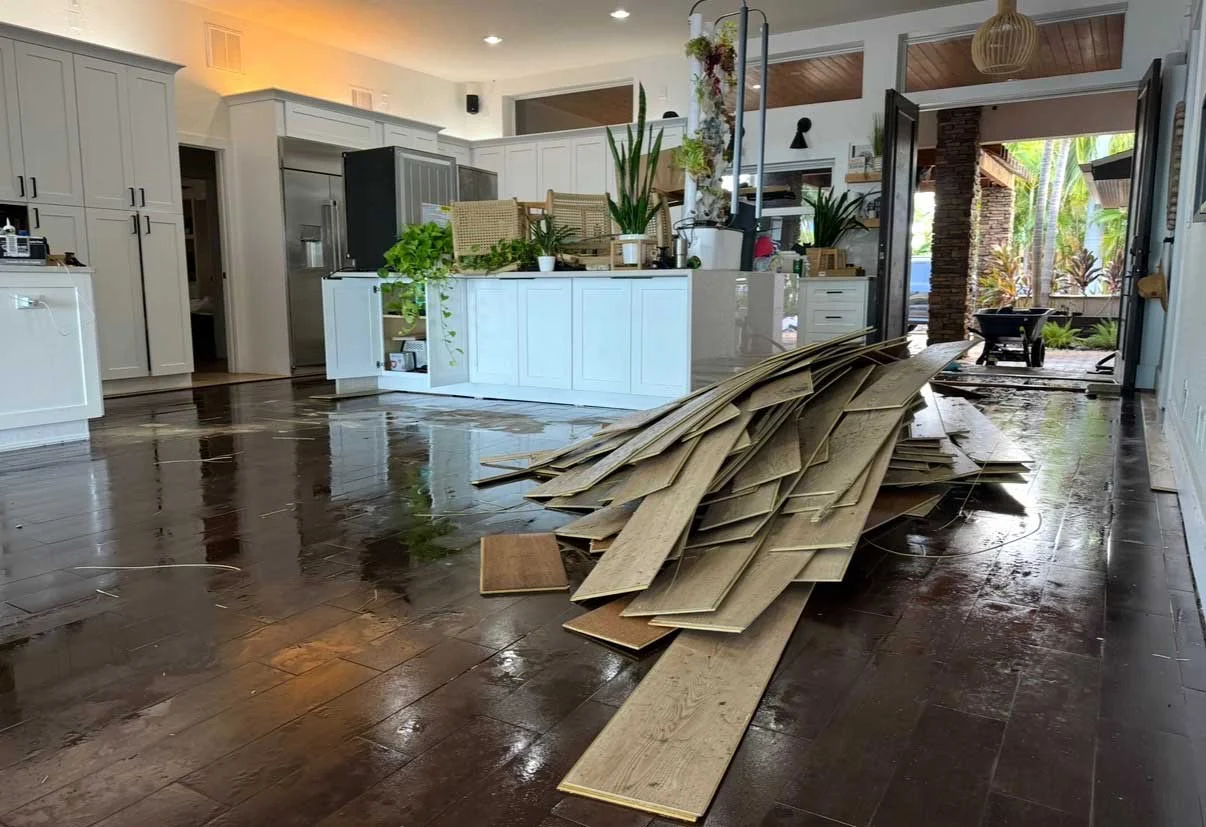
Here’s exactly what to do, in order, from the moment you discover a burst pipe to the point where restoration professionals take over.
Step 1: Shut Off the Water Immediately
- Go straight to your main water shutoff valve and turn it off. This stops the flow at the source instead of just the fixture that failed.
- If you don’t know where your main shutoff is, this is exactly why it matters to find it before an emergency — it’s typically near the water meter, in a basement, garage, or exterior wall facing the street.
- If the burst pipe is isolated to one fixture and you can identify a local shutoff valve (under a sink or behind a toilet), that can buy you time while you locate the main valve.
Step 2: Cut the Power to Affected Areas
- If water is anywhere near outlets, light fixtures, or your electrical panel, turn off power to that area at the breaker before you do anything else. Water and electricity are a serious shock and fire hazard.
- Don’t enter standing water to reach a breaker panel if the panel itself is wet or partially submerged — call an electrician or your utility company instead.
- Unplug any electronics or appliances in the area only if you can safely reach them without stepping in water.
Step 3: Stop the Water From Spreading
- Move furniture, rugs, and belongings out of the affected area or up onto blocks to keep them out of standing water.
- Use towels, a wet/dry shop vac, or buckets to remove as much standing water as you can while you wait for help to arrive.
- Open interior doors and, if it’s not raining outside, windows to start air circulating and slow moisture from settling into walls.
- If the leak is coming from an upstairs pipe and water is coming through the ceiling, place a bucket to catch it and, if the ceiling is visibly bulging, stay clear — a waterlogged ceiling can collapse.
Step 4: Document Everything Before You Clean Up
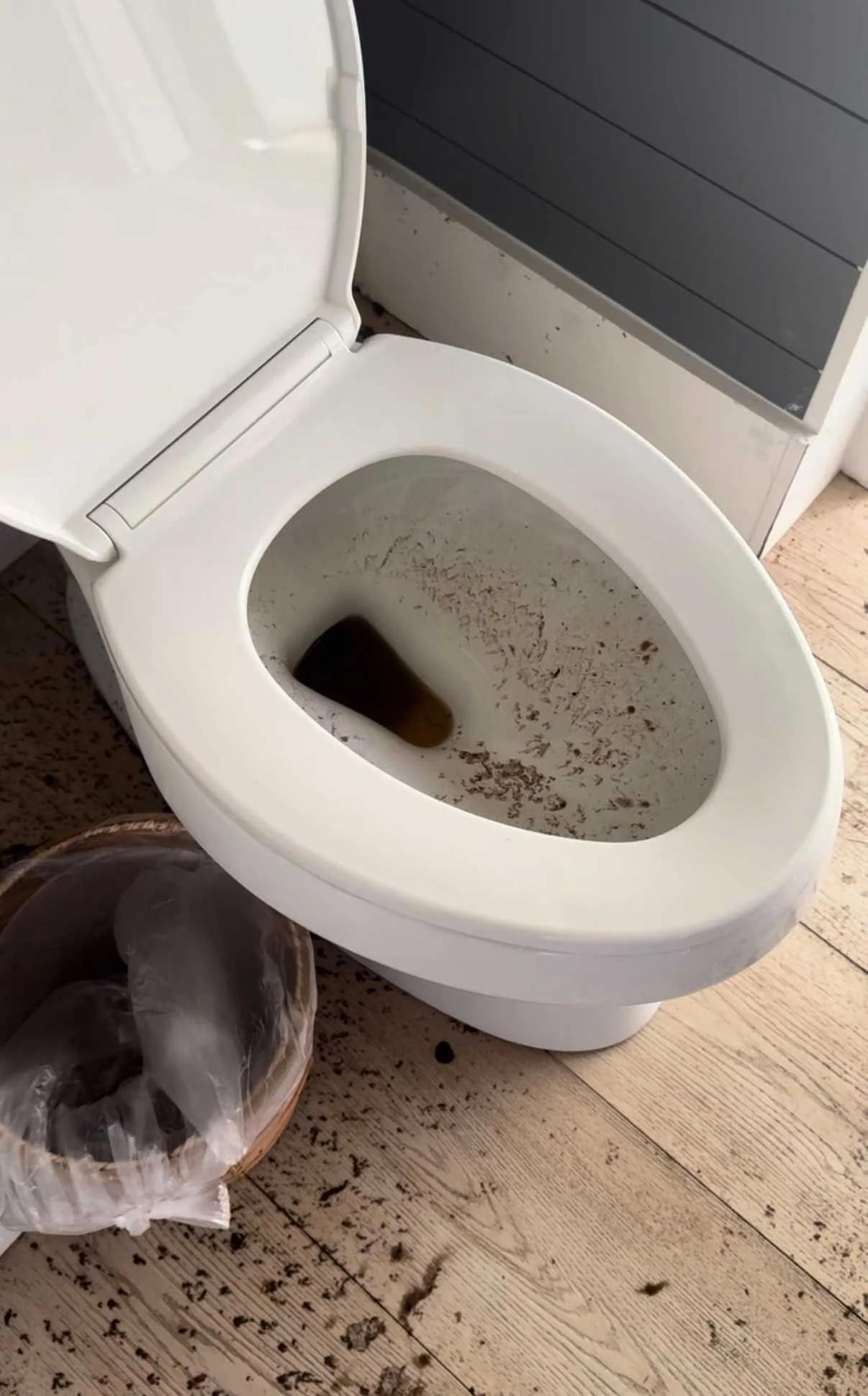
This step gets skipped constantly, and it’s the one that costs homeowners the most during an insurance claim. Before you move anything or start drying things out:
- Take photos and video of the damage from multiple angles — standing water, affected walls and flooring, damaged belongings, and the source of the leak itself.
- Note the time you discovered the leak and the time you shut off the water.
- Keep receipts for anything you purchase for emergency mitigation, like a wet vac rental or fans — many policies reimburse reasonable mitigation costs.
- Don’t throw away damaged items until your insurance adjuster has had a chance to review them, if possible.
Step 5: Call a Licensed Plumber for Emergency Repair
Once the immediate flooding is under control, the pipe still needs a permanent fix — and depending on what caused it, there may be more damage upstream than what you can see. A burst pipe is often a symptom of a bigger issue: aging cast iron or polybutylene pipe, a slab leak that’s been building pressure, or corrosion throughout the system. An emergency plumber can identify the cause, make the repair, and flag whether other sections of pipe are at risk of failing next.
Step 6: Start Water Removal and Drying
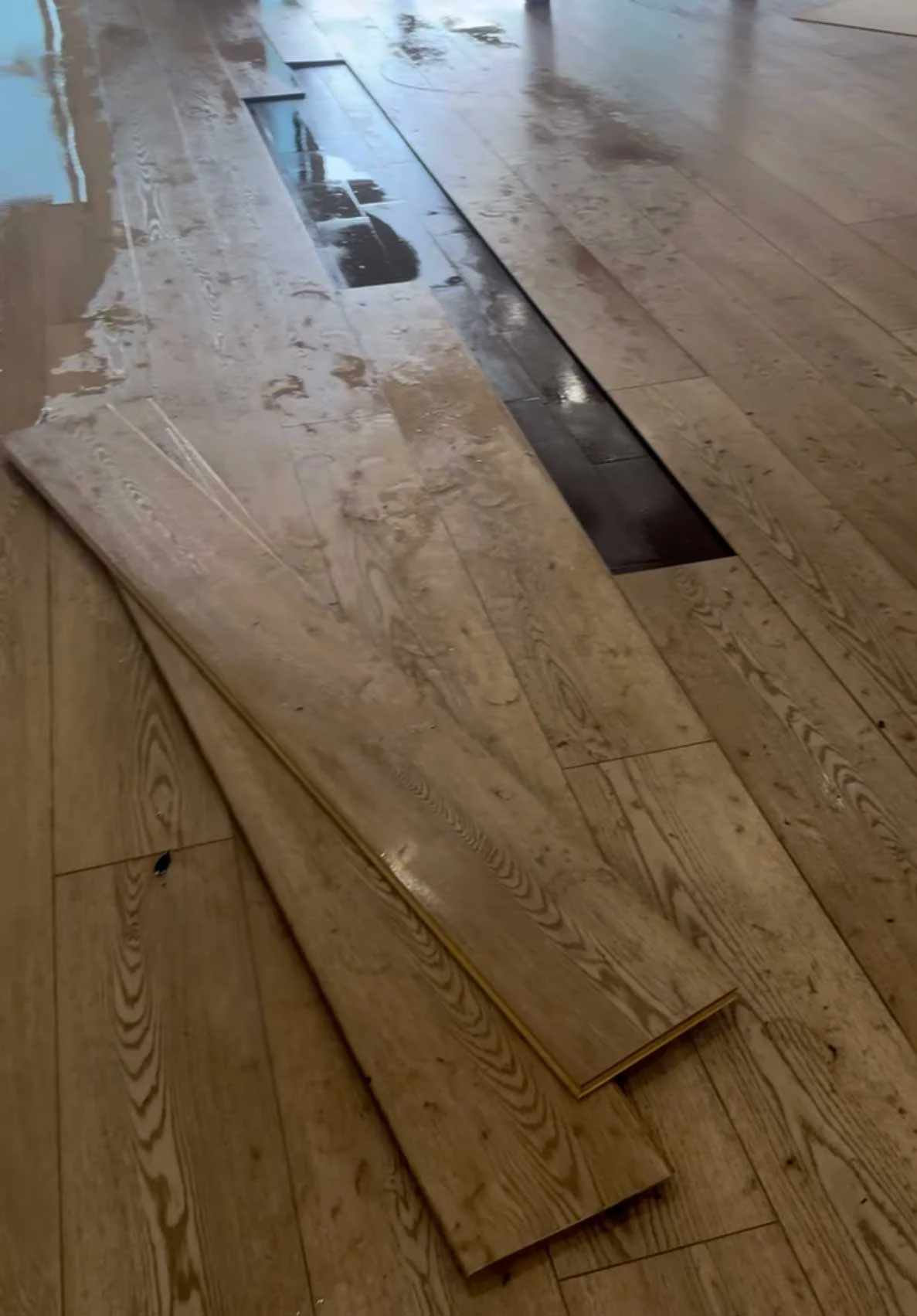
- Standing water needs to be extracted, not just mopped up. Wet flooring, baseboards, and drywall hold moisture long after the surface looks dry.
- Run fans and a dehumidifier in the affected area continuously for the next several days, not just a few hours.
- Check under flooring and behind baseboards where water pools and lingers out of sight.
- For anything beyond a small, contained leak, professional water damage restoration equipment removes moisture from materials far more effectively than fans and towels alone, and catches trapped moisture pockets that lead to mold weeks later.
Step 7: Call Your Insurance Company
- Report the claim as soon as you’ve stopped the immediate damage and taken your photos.
- Have your documentation ready: photos, video, the time of discovery, and any repair or mitigation invoices.
- Ask your adjuster whether they need to inspect before you begin drying or repair work, and get their guidance in writing when possible.
- Sudden pipe bursts are typically covered under most homeowners policies, but gradual leaks from long-term neglect often are not — this is one more reason the timeline you documented in Step 4 matters.
Hour-by-Hour: What to Expect
First Hour
Water is shut off, power is safe, and you’ve started removing standing water. An emergency plumber has been called.
Hours 2–6
The pipe repair is underway or complete. Fans and a dehumidifier are running. Photos and documentation are done. You’ve started your insurance claim.
Hours 6–24
Drying continues around the clock. Affected materials — carpet, drywall, insulation — are being assessed for what can be dried out versus what needs to be removed. This is also the window where a professional moisture reading matters most, since drywall and subflooring can look dry on the surface while still holding water underneath.
Watch for Mold Starting at Hour 24
Florida’s heat and humidity mean mold can begin growing within 24 to 48 hours of water exposure — faster than in most other climates. Even after a leak is fixed and the visible water is gone, moisture trapped inside walls, under flooring, or in insulation can turn into a mold problem within days. If you notice a musty odor, discoloration on walls or baseboards, or the area doesn’t seem to be drying out as expected, it’s worth having it checked by a mold remediation specialist before it spreads further into the home.
What Not to Do After a Pipe Bursts
- Don’t wait to see if it “dries out on its own” — standing water and hidden moisture only get more expensive to fix the longer they sit.
- Don’t run the washing machine, dishwasher, or any other water-using appliance until the main water line issue is resolved.
- Don’t assume a fan in the corner of the room counts as drying — without proper airflow and dehumidification, moisture can linger inside walls for weeks.
- Don’t throw out damaged flooring, drywall, or belongings before documenting them, if your insurance timeline allows it.
- Don’t ignore a “small” leak that keeps coming back — recurring leaks from the same area often point to a bigger issue like a slab leak or failing pipe material.
Frequently Asked Questions
How do I find my main water shutoff valve?
It’s typically located near the water meter, in a basement, crawl space, garage, or on an exterior wall facing the street. If you’re not sure where yours is, it’s worth locating and labeling it before an emergency happens.
Will homeowners insurance cover a burst pipe?
Most policies cover sudden, accidental water damage from a burst pipe. Damage from a leak that developed gradually over time due to lack of maintenance is often excluded, which is why documenting the timeline of discovery matters.
How long does it take for mold to grow after a pipe bursts?
In Florida’s climate, mold can begin growing within 24 to 48 hours of water exposure. Trapped moisture inside walls or under flooring can lead to mold even after the visible water has been cleaned up.
Can I dry out water damage myself with fans?
Fans and a dehumidifier help with surface moisture, but they often can’t reach water trapped inside walls, under flooring, or in insulation. For anything beyond a small, contained spill, professional water extraction and moisture monitoring catch what fans alone miss.
What should I do first if I find water coming through my ceiling?
Place a bucket to catch the water and stay clear of the area — a saturated ceiling can collapse without warning. Shut off your main water valve, then call an emergency plumber to find and repair the source.
When a Pipe Bursts, Every Hour Counts
Erica’s Plumbing, Air Conditioning & Restoration has handled emergency pipe repairs and water damage restoration across Broward and Palm Beach County for over 17 years, with 24/7 emergency service because floods don’t wait for business hours.
Dealing with a burst pipe right now? Contact us or call 561-260-5763 for immediate emergency service.
About the Author: Erica Sullivan

Skip the line. Save 15% On Repairs. Stay protected all year. Less than a service call. More than peace of mind.Skip the line. Save 15% On Repairs. Stay protected all year. Less than a service call. More than peace of mind.

Experts You Trust in Broward and Palm Beach County
When you choose us, you will experience the difference of having a reliable and caring home service partner. Let us enhance the comfort and joy in your home – because your family deserves the very best.